The Security, Convenience, and Calm of Small-Scale Dementia Care Homes
Business Name: BeeHive Homes of Levelland
Address: 140 County Rd, Levelland, TX 79336
Phone: (806) 452-5883
BeeHive Homes of Levelland
Beehive Homes of Levelland assisted living care is ideal for those who value their independence but require help with some of the activities of daily living. Residents enjoy 24-hour support, private bedrooms with baths, medication monitoring, home-cooked meals, housekeeping and laundry services, social activities and outings, and daily physical and mental exercise opportunities. Beehive Homes memory care services accommodates the growing number of seniors affected by memory loss and dementia. Beehive Homes offers respite (short-term) care for your loved one should the need arise. Whether help is needed after a surgery or illness, for vacation coverage, or just a break from the routine, respite care provides you peace of mind for any length of stay.
140 County Rd, Levelland, TX 79336
Business Hours
Families typically concern dementia care at a minute of stress. A parent is roaming at night. A partner is exhausted from absence of sleep. Medication schedules slip. Meals end up being irregular. Everybody knows something has to alter, but nobody desires a loved one swallowed into an institutional setting that feels cold and anonymous.
This is where small-scale dementia care homes can make all the difference. When they are done well, they integrate the very best parts of assisted living, memory care, and respite care, inside an environment that feels more like a genuine home than a facility. They will not fit every spending plan or every medical situation, however for many people they provide a safer, calmer, and often more dignified way to navigate the later phases of dementia.
I have actually walked through big memory care wings with 40 or more citizens. The care groups frequently strove and cared deeply, yet the scale itself produced noise, confusion, and a sense of being "processed." I have actually likewise sat at the kitchen table of a six-resident dementia care home where a caretaker was making grilled cheese, one resident was folding towels, another was humming to music, and a 3rd was resting in a recliner chair within arm's reach. Same medical diagnosis, completely different experience.
Understanding what makes these small homes work, and when they are a good fit, can assist households make clearer choices in the middle of an emotional time.
What "small-scale" dementia care actually means
The term "small" gets used loosely in senior care marketing. In practice, it typically describes a residential setting with a limited number of locals, typically certified under assisted living or board-and-care policies instead of as a skilled nursing facility.
Typical features consist of:
- Resident capability in the single digits or low teens, not dozens.
- A house-like environment, frequently literally a converted home in a residential neighborhood.
- A focus on dementia care, with specialized training in memory impairment.
- Shared common locations that seem like a family: living room, dining table, cooking area in view.
- Staff who communicate with residents throughout the day, not just throughout "care jobs."
That said, not every little facility is automatically good, and not every big community is automatically impersonal. Size influences the day-to-day experience, but culture, management, training, and staffing patterns matter a lot more. The advantage of small dementia care is that, when those active ingredients are present, the setting allows them to shine.
Safety: fewer blind spots, more eyes on the person
For households, security is typically the starting issue. Wandering, falls, medication errors, and self-neglect are the problems that most often force the transition from home to some form of senior care.
Small-scale dementia care homes tend to enhance safety in a couple of concrete ways.
First, fewer citizens suggest fewer blind spots. In a six-bed home, a resident can stand from a recliner or press back from the dining table and somebody is likely to observe within seconds, just since the staff is working and flowing in the exact same space. In a big memory care wing, citizens may be spread out across long corridors, numerous activity rooms, and a main dining area, making it easier for someone to shuffle off unnoticed.
Second, the physical environment is easier to browse. A smaller house has less confusing turns, much shorter distances in between bed room and bathroom, and less entrances to test. That minimizes the threat of getting lost within the structure, which in turn decreases agitation and the urge to "get away."
Third, guidance can be more constant. Staff in these homes often mix roles: the person cooking lunch might also reroute a resident who is fixating on the front door, answer a repeated question, and hint someone to utilize the toilet, all within the exact same 10 minutes. Official staffing ratios vary by jurisdiction, however functionally you frequently see more real-time guidance due to the fact that personnel are not as scattered.
Finally, security equipment can be integrated more discreetly. Doors can be alarmed or disguised, outdoor areas can be completely confined, and assistive gadgets can be kept close at hand without making the area seem like a healthcare facility system. When a resident tries to leave, that alarm does not need to compete with dozens of other sounds.
None of this eliminates threat. Someone determined to roam will test every limit. Falls never disappear totally. Medication routines can be complicated. Yet the mix of scale, sightlines, and continuous interaction typically leans toward faster intervention when something begins to go wrong.
Comfort: the power of a familiar-feeling home
Physical safety is just the beginning point. Convenience is what permits a person with dementia to relax into a regular, consume, sleep, and participate rather of constantly feeling on edge.
A well-run little dementia care home typically has a number of aspects that create comfort practically unconsciously:
The environment appears like a regular home. Residents see sofas, a tv, family-style dining, and a noticeable kitchen area. Cabinets might be locked, and there might be discreet security devices, but the general impression is domestic. For someone who invested their adult life in a house, that familiarity decreases the emotional barrier to settling in.
Noise is more manageable. Cognitive disability makes it harder to filter background sounds. In a big memory care neighborhood, overlapping tvs, overhead pages, loud visitors, and rolling carts can mix into a continuous hum that locals can not get away. In a little home, there might still be noise, yet it is more likely to be one discussion, a radio, or the clatter of a single meal service. Personnel can regulate it rapidly when they see agitation rising.
Personal products are easier to incorporate. Memory care advantages when residents are surrounded by cues from their own life: family photos, a favorite blanket, a familiar design of chair. In a small home, there is frequently more versatility to tailor a bedroom, keep beloved items close by, and adjust the design around one person's requirements without interfering with lots of others.
Care jobs can be woven into daily life. Instead of a bath taking place on a stringent schedule on a big tub space's rotation, a caregiver may assist a resident shower at the time of day that fits their lifelong pattern, then move directly to lotion, pajamas, and a cup of tea. The limit between "care" and "living" softens, which lots of residents experience as less intrusive.
For families, convenience also includes their own experience. Walking into an environment that smells like food instead of disinfectant, where they can sit at the cooking area table during a visit, frequently reassures them that their loved one is in a really lived-in area, not simply housed.
Calm: routines, relationships, and psychological safety
Calm is more difficult to measure than fall rates or medication mistakes, however for individuals living with dementia, it is just as essential. Emotional overload causes behaviors that are frequently identified "agitation" or "resistance to care," when in reality the individual is just overwhelmed or not able to interact a need.
Small-scale dementia care homes can support calm in several interconnected ways.
Daily regimens tend to be more versatile and relational. Rather of large-group activities on the hour, the rhythm of the day can follow the locals. Someone might sleep late, another might be most engaged right after breakfast, and a third might prefer peaceful early mornings and more motion in the afternoon. In a small home, staff can observe those patterns and adjust, instead of pushing everyone through a single schedule.
Relationships deepen more quickly. With fewer residents, caretakers get to know each person's life story, preferences, and triggers in real information: who worked nights and still wakes at 2 a.m.; who ends up being distressed if they do not hold something in their hands; who calms rapidly when offered a particular song or a familiar task like folding towels. That knowledge allows them to pacify situations before they escalate.
The environment creates fewer "secret" stimuli. Strange faces, big crowds, and consistent motion can all spark stress and anxiety in someone with dementia. In a little home, the cast of characters is smaller sized and more stable. Residents often begin to acknowledge staff by voice and regular, even when name recognition has faded, which supports a sense of security.
There is likewise room for locals to simply be themselves. Not everybody flourishes on structured activity. Some individuals are content to sit with a paper they can no longer fully check out, listen to a radio, or enjoy birds outside a window. Calm does not constantly mean active engagement. The secret is that personnel can expect distress, offer options, and carefully welcome participation, without requiring consistent stimulation.
Families generally discover subtle signs first. The loved one who previously paced for hours may now nap in the afternoon. The one who declined showers in your home may accept help more easily from a constant caretaker. The intonation on call shifts from panicked or confused to softer, even if words are fragmented.
How small homes differ from traditional assisted living and memory care
Traditional assisted living neighborhoods usually deal with a wider population: older adults who need aid with daily activities but may or may not have dementia. Many now include dedicated memory care wings, often secured, to serve citizens with considerable cognitive impairment.
Those settings can use advantages. They might have on-site nurses, therapy services, and a menu of group activities. There is generally more physical space, with courtyards, libraries, and exercise spaces. Some households value the sense of a bigger community.
The disadvantages, especially for moderate to innovative dementia, often relate to scale and uniformity. Personnel projects may turn regularly, making connection harder. Policies designed for dozens of citizens can feel rigid when used to individuals. And even with great training, it is challenging to maintain a calm, tailored environment for a large number of people whose requires shift throughout the day.
Small-scale dementia care homes sit somewhere in between conventional assisted living and a household home. They are typically licensed to supply personal care and supervision comparable to assisted living, but they focus nearly exclusively on memory care. That focus forms everything from staffing to menus to activity planning.
It is handy to consider them as specialized micro-environments instead of miniaturized variations of big facilities. The goal is not simply less locals, but a different way of arranging everyday life.
The role of respite care in small homes
Respite care is frequently the lifeline that keeps family caregivers going. It provides time to rest, manage their own medical requirements, travel, or just charge. Little dementia care homes sometimes offer short-stay respite choices, and when they do, the experience can be especially valuable.
For the individual dealing with dementia, a short stay in a little home introduces them to a setting that might ultimately end up being long-term. The staff can observe how they react, which habits emerge, and what comforts them. Households get feedback that is often more nuanced than "they did fine" or "they roamed a lot," because the ratio of personnel to citizens enables closer observation.
For the caretaker at home, respite in a small setting can lower the psychological barrier to using outside aid. Leaving a spouse or parent in a big, hospital-like center for a week can feel harsh, even when everyone agrees it is essential. Dropping them at a home where they are greeted in the living-room and used coffee at the table often feels more like delegating them to extended family.
One useful point: respite beds in little dementia care homes are minimal and may schedule rapidly, specifically around vacations. Households do much better when they think of respite before a crisis, tour choices, and get on waitlists early, instead of rushing after burnout has currently set in.
Staffing, training, and the genuine cost of "little and familiar"
None of the advantages of a small design appear amazingly. They come from staffing and training options, and those options have actually cost implications.
Caregivers in little dementia homes generally wear multiple hats. They might help with dressing and bathing, prepare meals, lead simple activities, deal with laundry, and coordinate with visiting nurses or therapists. This broad function enables them to stay near to residents and see changes early, but it likewise demands solid training in dementia care, communication, and fundamental health monitoring.
The finest homes buy continuous education. New personnel might watch experienced employees for weeks. Teams find out how to react to behaviors without restraint or conflict, how to adapt interaction as language decreases, and when to intensify concerns to medical providers. That level of training decreases crises and health center transfers, but it increases operating costs.
From a monetary standpoint, families often find that little home dementia care sits at or above the high-end of standard assisted living. There is less ability to spread out set expenses over lots of citizens. Staffing ratios can be more detailed, food is frequently prepared internal, and the home itself may be in a residential community with greater property expenses.
The compromise is value rather than price alone. A bigger assisted living neighborhood might charge a lower base rate, then add dementia care "levels" of service fees as needs increase. A little home might have a greater however more inclusive rate, with less add-ons. It is essential to compare overall month-to-month expenses, not simply the marketed base price.
Families likewise need to ask about sustainability: How does the home manage staffing shortages? What is their backup plan if a caretaker calls off at night? Is the owner actively involved, or is this one home among lots of? A little census makes a home more personal, however it can also make it vulnerable if management is weak.
Who flourishes in a small-scale dementia care home, and who might not
No single setting fits every person with dementia. Little homes work best for specific profiles.
People with moderate dementia who are socially likely typically do effectively. They can engage with a small peer group, take pleasure in shared meals, and benefit from a calm environment without feeling separated. Those who respond to regular and like familiar environments tend to settle quickly.
Individuals with significant wandering, exit-seeking, or nighttime wakefulness might also benefit, because personnel can observe and reroute more promptly. Enclosed yards, doors within sight of caregivers, and the ability to customize nighttime routines all support safety.
Families who value a home-like atmosphere and close relationships with caregivers, and who want to visit in an unwinded environment, usually feel aligned with this model.
On the other hand, some individuals may need more than a small home can supply. Advanced medical requirements that require 24-hour nursing, frequent IV medications, or complex wound care typically point toward skilled nursing centers. Extremely introverted individuals who prefer singular space may feel overstimulated even by a little group, though this can frequently be resolved with thoughtful space placement and peaceful time.
There are likewise pragmatic constraints. Small homes are not uniformly distributed geographically. In some areas, there may be none, or only a couple of with long waitlists. Cost can be a limiting aspect, specifically for those relying entirely on public advantages, given that lots of little homes are private-pay, a minimum of initially.
The key is to evaluate not only the medical diagnosis but the individual: their history, character, health profile, and the family's expectations.
How to assess a small dementia care home
Touring potential homes can feel overwhelming, especially when households are under pressure to make quick decisions. A short, focused checklist helps keep attention on what matters most.
Here is a structured on-site visit list that many families discover useful:
- Notice the environment in the very first 60 seconds: smell, noise level, and personnel tone.
- Watch how personnel speak to residents: eye contact, perseverance, and whether they utilize names.
- Look in the kitchen and dining area: is food fresh, and do mealtimes feel relaxed.
- Observe citizens' body movement: do they seem primarily calm, or tense and restless.
- Ask yourself, "Could I spend an afternoon here and feel comfy."
Equally essential are the discussions you have with the manager or owner. Written policies look excellent, but how they are carried out makes the distinction between theory and reality.
Consider these core concerns to ask the management team:
- How numerous residents live here, and how many personnel are usually on task by day and by night.
- What specific dementia care training do personnel get at first and on an ongoing basis.
- How do you handle medical emergency situations, unexpected behavior modifications, and health center transfers.
- What is your policy on visitors, particularly at nontraditional hours or throughout times of resident distress.
- Can you share examples of how you have adjusted regimens for homeowners with special needs.
The answers will offer you insight into the culture of the home, not simply its amenities. A supervisor who addresses gradually but particularly, even about past challenges, is normally more reliable than one who uses perfect-sounding but vague assurances.
Integrating small homes into the broader senior care journey
Dementia care hardly ever follows a straight line. Individuals move between settings: from living at home with household assistance, to part-time adult day programs, to routine respite care, and eventually to full-time residential care. Hospitalizations and rehab stays frequently disrupt the rhythm.
Small-scale dementia care homes can play several roles in this broader journey. For some, they are the very first residential action beyond household care, utilized initially for respite and then for full-time residence when requires grow. For others, they offer a bridge in between basic assisted living and experienced nursing, especially when cognitive decline outmatches physical decline.
When families think proactively about the entire trajectory of senior care, they can use little homes more tactically instead of as a last-ditch option. That may indicate:
Starting discussions before a crisis, so trust and familiarity construct gradually.
Using brief respite stays as trial runs, to see how a loved one reacts and to gather expert insights.
Planning for monetary transitions, such as when private funds run low and public benefits or alternate settings must be considered, instead of waiting until accounts are nearly depleted.
Coordinating with doctors, neurologists, and care supervisors, so the dementia care home becomes part of a meaningful strategy rather than an isolated placement.
The central thread through all of this is regard: for the individual with dementia, for the household's limits, and for the truths of senior care what different kinds of senior care can and can not provide.
Small-scale dementia care homes, when well developed and well led, use a rare combination of security, convenience, and calm. They do not eliminate the losses that come with dementia, however they can soften the edges, preserve more of the person's identity, and make life more livable for everybody included. For many families, that distinction feels less like a service choice and more like a form of shared humanity.
BeeHive Homes of Levelland provides assisted living care
BeeHive Homes of Levelland provides memory care services
BeeHive Homes of Levelland provides respite care services
BeeHive Homes of Levelland supports assistance with bathing and grooming
BeeHive Homes of Levelland offers private bedrooms with private bathrooms
BeeHive Homes of Levelland provides medication monitoring and documentation
BeeHive Homes of Levelland serves dietitian-approved meals
BeeHive Homes of Levelland provides housekeeping services
BeeHive Homes of Levelland provides laundry services
BeeHive Homes of Levelland offers community dining and social engagement activities
BeeHive Homes of Levelland features life enrichment activities
BeeHive Homes of Levelland supports personal care assistance during meals and daily routines
BeeHive Homes of Levelland promotes frequent physical and mental exercise opportunities
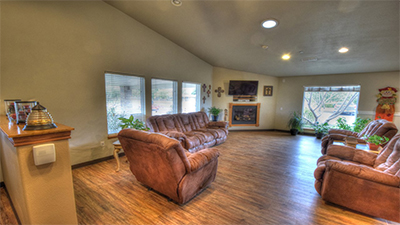
BeeHive Homes of Levelland provides a home-like residential environment
BeeHive Homes of Levelland creates customized care plans as residents’ needs change
BeeHive Homes of Levelland assesses individual resident care needs
BeeHive Homes of Levelland accepts private pay and long-term care insurance
BeeHive Homes of Levelland assists qualified veterans with Aid and Attendance benefits
BeeHive Homes of Levelland encourages meaningful resident-to-staff relationships
BeeHive Homes of Levelland delivers compassionate, attentive senior care focused on dignity and comfort
BeeHive Homes of Levelland has a phone number of (806) 452-5883
BeeHive Homes of Levelland has an address of 140 County Rd, Levelland, TX 79336
BeeHive Homes of Levelland has a website https://beehivehomes.com/locations/levelland/
BeeHive Homes of Levelland has Google Maps listing https://maps.app.goo.gl/G3GxEhBqW7U84tqe6
BeeHive Homes of Levelland Assisted Living has Facebook page https://www.facebook.com/beehivelevelland
BeeHive Homes of Levelland Assisted Living has YouTube page https://www.youtube.com/@WelcomeHomeBeeHiveHomes
BeeHive Homes of Levelland won Top Assisted Living Homes 2025
BeeHive Homes of Levelland earned Best Customer Service Award 2024
BeeHive Homes of Levelland placed 1st for Senior Living Communities 2025
People Also Ask about BeeHive Homes of Levelland
What is BeeHive Homes of Levelland Living monthly room rate?
The rate depends on the level of care that is needed. We do an initial evaluation for each potential resident to determine the level of care needed. The monthly rate is based on this evaluation. There are no hidden costs or fees
Can residents stay in BeeHive Homes until the end of their life?
Usually yes. There are exceptions, such as when there are safety issues with the resident, or they need 24 hour skilled nursing services
Do we have a nurse on staff?
No, but each BeeHive Home has a consulting Nurse available 24 – 7. if nursing services are needed, a doctor can order home health to come into the home
What are BeeHive Homes’ visiting hours?
Visiting hours are adjusted to accommodate the families and the resident’s needs… just not too early or too late
Do we have couple’s rooms available?
Yes, each home has rooms designed to accommodate couples. Please ask about the availability of these rooms
Where is BeeHive Homes of Levelland located?
BeeHive Homes of Levelland is conveniently located at 140 County Rd, Levelland, TX 79336. You can easily find directions on Google Maps or call at (806) 452-5883 Monday through Sunday 9:00am to 5:00pm
How can I contact BeeHive Homes of Levelland?
You can contact BeeHive Homes of Levelland by phone at: (806) 452-5883, visit their website at https://beehivehomes.com/locations/levelland/,or connect on social media via Facebook or YouTube
Visiting Taqueria Guadalajara offers familiar Mexican comfort food that residents in assisted living, memory care, senior care, elderly care, and respite care can enjoy during relaxed dining outings.